Neurological Conditions
Screening brain activity in PTSD, depression and stroke, and supporting recovery.
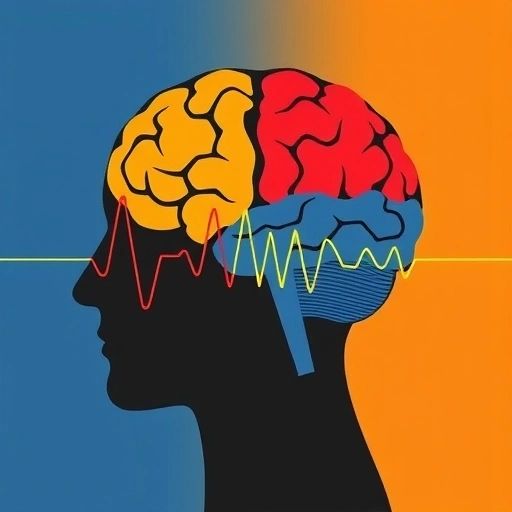
Post-traumatic stress disorder (PTSD) and depression are mental health disorders that can significantly alter brain activity, as seen in changes to EEG wave patterns. In both conditions, EEG studies commonly show an increase in slow-wave activity, particularly in theta (4–7 Hz) and delta (0.5–4 Hz) bands, which are associated with reduced mental alertness and cognitive slowing.
In depression, there is often an imbalance in alpha wave activity (8–13 Hz), with increased alpha power in the left frontal lobe, which has been linked to low mood and lack of motivation. PTSD can also show heightened beta activity (13–30 Hz), particularly during moments of hyperarousal or anxiety, reflecting the brain’s heightened stress response.
These EEG changes can help researchers and clinicians understand the neural basis of these disorders and may eventually guide personalized treatments based on brain wave patterns.
Talk to the AderaBrain team
Questions about our EEG to language technology, collaborations or pilots are welcome.