The Nature of EEG Waves and Their Adoption for Technological Use
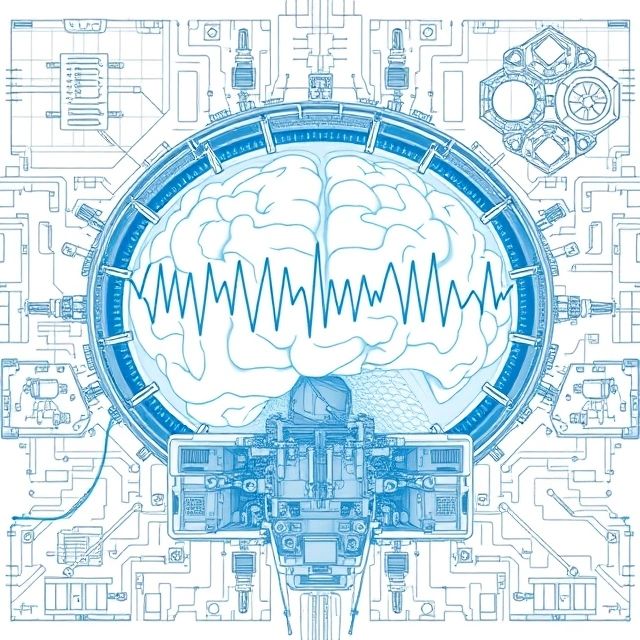
Introduction to EEG Waves
Electroencephalography (EEG) measures the electrical activity of the brain through electrodes placed on the scalp. The resulting EEG waves are categorized based on their frequency and amplitude, which reflect different states of brain activity. The primary types of EEG waves include:
- Delta Waves (0.5–4 Hz): These are the slowest brainwaves, typically associated with deep sleep and restorative processes.
- Theta Waves (4–7 Hz): Often linked to light sleep, relaxation, and creativity, theta waves can also appear during meditation.
- Alpha Waves (8–13 Hz): Present during relaxed wakefulness, alpha waves indicate a calm yet alert state. They are most prominent when a person is awake but relaxed, such as when closing the eyes.
- Beta Waves (13–30 Hz): Associated with active thinking, problem-solving, and focus, beta waves dominate during periods of intense mental activity.
Each type of wave serves as an indicator of various cognitive states and neurological conditions. For example, abnormal patterns in these waves can signal issues such as epilepsy or other neurological disorders.
Technological Applications of EEG Waves
EEG technology has evolved significantly since its inception in the early 20th century. Initially used primarily for medical diagnostics, its applications have expanded into various technological domains:
- Medical Diagnostics: EEG remains a critical tool in diagnosing epilepsy by detecting interictal epileptiform discharges. It helps monitor brain activity in patients with seizures and other neurological conditions.
- Brain-Computer Interfaces (BCI): One of the most promising applications of EEG technology is in BCIs. These systems interpret brain signals to control external devices directly through thought. For instance, patients with mobility impairments can use BCIs to control prosthetic limbs or computer cursors, and BCI applications have been developed for communication aids for individuals with severe disabilities.
- Cognitive Research: Researchers utilize EEG to study cognitive processes such as attention, memory, and perception. By analyzing event-related potentials (ERPs), scientists can gain insights into how the brain responds to specific stimuli.
- Neurofeedback: This technique involves training individuals to alter their brainwave patterns consciously. Neurofeedback has been explored for various purposes, including improving focus in ADHD patients and enhancing relaxation techniques.
- Gaming and Entertainment: The gaming industry has begun integrating EEG technology to create immersive experiences that respond to players’ mental states. Games that adapt based on a player’s concentration levels or emotional responses are being developed.
- Mental Health Monitoring: Emerging technologies aim to use EEG data for real-time monitoring of mental health conditions such as anxiety or depression by analyzing changes in brainwave patterns associated with these states.
Conclusion
The nature of EEG waves provides valuable insights into brain function and cognitive states, making them essential for both medical diagnostics and innovative technological applications like BCIs and neurofeedback systems. As research continues to advance our understanding of these brainwaves, their potential uses across various fields will likely expand further.